
Routines can quickly spiral into chaos, and big feelings often hit without warning. Personalized social stories offer a gentle way to guide your child through these moments, making transitions and emotions easier to handle. In this guide, you’ll learn how to create calming stories that feature your child as the hero—turning daily challenges into opportunities for growth and connection.
Unleash Story Power in Routines
Stories can transform daily routines into engaging adventures. By personalizing narratives, you can make bedtime, transitions, and even potty training enjoyable for your child.
Personalize Your Child’s Bedtime
Bedtime routines should be calming, not chaotic. Imagine stepping into a story where your child is the hero who prepares for sleep with ease. This approach can make a world of difference.
-
Name the Hero: Use your child’s name to make them the star of the story.
-
Familiar Settings: Include their bedroom or favorite stuffed animal for comfort.
-
Routine Steps: Turn brushing teeth and putting on pajamas into exciting steps in their adventure.
Personalized bedtime stories can help your child feel safe and relaxed, turning bedtime into a cherished moment rather than a nightly struggle.
Calm Transitions with Stories
Transitions can be tough for kids, but stories can smooth the way. Whether it’s leaving the park or heading to daycare, a story can prepare your child for what’s coming next.
-
Outline the Transition: Describe the change in the story, like leaving the playground.
-
Highlight the Positive: Focus on the fun things about the next activity.
-
Include a Favorite Character: Have a beloved character accompany them in the story.
This approach helps your child understand and accept transitions, reducing anxiety and resistance.
Potty Training Made Fun
Potty training doesn’t have to be a battle. With the right story, it can become a fun milestone.
-
Hero’s Journey: Turn the process into an adventure with your child as the hero.
-
Celebrate Success: Include moments of triumph to motivate them.
-
Use Humor: Light-hearted elements can make the story enjoyable.
By incorporating these elements, potty training becomes less daunting and more of a playful learning experience.
Taming Big Feelings with Stories
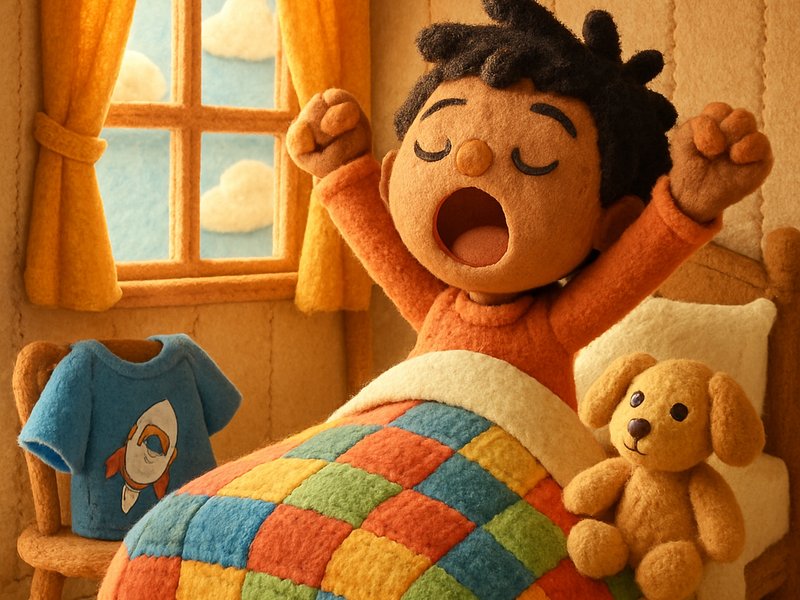
Big emotions can be overwhelming for little ones. Stories provide a safe space to explore and manage these feelings.
Emotional Regulation for Kids
Teaching kids to recognize and regulate their emotions is crucial. Stories can illustrate how to handle feelings like anger or sadness.
-
Name the Emotion: Help them identify what they’re feeling.
-
Show Coping Strategies: Include breathing exercises or counting to ten.
-
Empower the Hero: Let your child see themselves successfully managing their emotions.
These stories provide practical tools for emotional regulation, empowering your child to cope effectively.
Empathy Building for Young Minds
Empathy is a key social skill, and stories are a wonderful way to nurture it. Through storytelling, kids can learn to understand and share the feelings of others.
-
Introduce Diverse Characters: Use stories with characters from different backgrounds.
-
Highlight Emotions: Focus on how characters feel and why.
-
Encourage Reflection: Ask questions about the characters’ experiences.
By engaging with these narratives, your child will build empathy and social awareness.
Parenting Tools for Tantrums
Tantrums are inevitable, but stories can offer solutions. When your child sees a character managing a tantrum, they can learn to do the same.
-
Demonstrate Calmness: Show characters using calming techniques.
-
Positive Outcomes: End the story on a note of resolution and understanding.
-
Incorporate Humor: Lighten the situation with a funny twist.
These stories can transform tantrums into teachable moments, providing your child with strategies to handle their own outbursts.
Preparing Kids for New Adventures

New experiences can be intimidating, but stories provide a preview that builds confidence.
Starting School with Confidence
The first day of school is a big step. A personalized story can make it an exciting adventure.
-
Familiar Scenes: Use their new classroom and teacher in the story.
-
Focus on Fun: Highlight activities they’ll enjoy.
-
Reassurance: Show them making friends and feeling comfortable.
This preparation helps ease nerves, allowing your child to walk into school with confidence.
Doctor Visit Social Story
Doctor visits can be scary, but a story can make them predictable and less intimidating.
-
Explain the Process: Describe what happens at a visit in simple terms.
-
Highlight the Positive: Focus on the stickers or toys they’ll receive.
-
Use a Brave Character: Show the character being brave and calm.
By demystifying the experience, these stories can reduce anxiety and make doctor visits smoother.
Transition Stories for Preschoolers
Preschool transitions can be made seamless with the right story.
-
Routine Elements: Include drop-off and pick-up in the narrative.
-
Familiar Faces: Use teachers and classmates as characters.
-
Highlight Growth: Focus on the new skills they’ll learn.
These stories provide a reassuring framework, helping your child feel secure and excited about preschool.
🌟📚✨
Through personalized stories, you can transform everyday challenges into opportunities for growth and connection. These narratives not only entertain but also equip your child with essential skills for emotional regulation, empathy, and confidence. Dive into the world of storytelling and watch your child thrive!
Leave a Reply