
New experiences can spark big feelings for little ones—those butterflies often turn into worries. When your child faces a first day of school, a doctor visit, or even a new sibling, personalized social stories for kids help turn uncertainty into confidence. With KidScribe.ai, you create these calming, illustrated stories in minutes, making transitions smoother and big moments a little easier. Ready to see how a simple story can build brave? Learn more about the advantages of writing and presenting social stories.
Preparing for Big Moments
New experiences can ignite big feelings in kids, transforming excitement into apprehension. Personalized social stories can ease this journey, turning butterflies into bravery. Let’s explore how they work.
Personalized Social Stories Magic
Imagine a story where your child is the hero. These stories use your child’s name and interests to make unfamiliar situations feel familiar. Whether it’s a first day at school or a doctor visit, these tales make abstract concepts concrete. Children see themselves navigating challenges, which helps them understand and prepare for real-life events. This personalization enhances engagement and learning, making big moments feel manageable.
Reducing Anxiety with Stories
Stories have the power to calm nerves. When children encounter scenarios in a story, they rehearse emotions and responses before facing them in reality. This practice reduces anxiety. For instance, a story about visiting the doctor can replace fear with familiarity. Reading these stories a few days before an event can make the unknown feel known, minimizing stress for both child and parent.
Building Confidence in Kids
Confidence grows when children see themselves succeed. By reading about triumphs in stories, kids build self-esteem. This confidence carries over into real life, making new experiences less intimidating. Seeing their own name and favorite elements in a story creates a connection, transforming “I can’t” into “I can.” With each story, kids become more ready to embrace new adventures.
Creating Your Child’s Hero Story
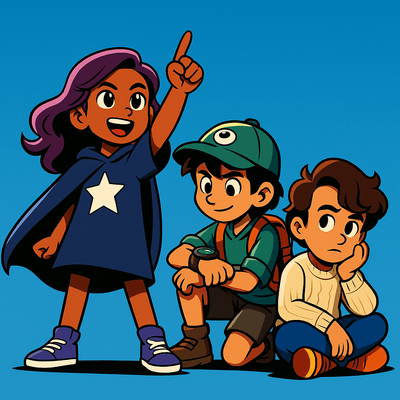
Crafting a personalized story isn’t just fun—it’s a powerful tool for growth. Let’s dive into the process of making your child’s unique hero tale.
Fast, Fun, and Parent-Friendly
Creating a story with KidScribe.ai is quick and easy. In just a few minutes, you can craft a complete, illustrated story without needing writing skills. This speed and simplicity make it ideal for busy parents. Kids love seeing their names and preferences in the story, turning reading time into an exciting adventure. It’s a practical way to support your child’s development without adding stress to your day.
Engaging with Familiar Faces
Consistency is key in storytelling. In personalized stories, characters remain visually consistent, building trust and keeping kids engaged. This stability ensures that children stay immersed in the story, enhancing comprehension and enjoyment. Familiar faces in the story mirror their real-life counterparts, reinforcing the connection between story and reality. With each page, your child sees themselves successfully navigating new situations.
AI-Powered Storytelling
AI technology brings stories to life with vivid illustrations and seamless narratives. This innovation allows for deep personalization, weaving your child’s world into every scene. The result is a captivating experience that feels tailored just for them. By focusing on learning outcomes, KidScribe.ai combines technology with storytelling, creating tools that help kids understand emotions, routines, and social skills.
Transition Strategies for Toddlers

Big changes can be daunting, especially for toddlers. With the right strategies, you can help them transition smoothly.
Calm Routines for Families
Establishing calm routines is essential for easing transitions. Schedule storytime consistently, integrating personalized stories that address upcoming changes. By reading together, you create a comforting ritual that helps your child feel secure. Simple actions, like reading a story before bedtime, can make a difference in how your child approaches new experiences.
Visual Supports for Children
Visual aids enhance understanding. In stories, illustrations provide cues that help children grasp concepts. These visuals support verbal explanations, making information more accessible. For example, a story about starting school can include images of a classroom and friendly faces, helping your child visualize what to expect. This visual reinforcement makes transitions less overwhelming.
Emotional Regulation for Kids
Helping your child understand and manage emotions is crucial. Stories can introduce emotional vocabulary, teaching kids to identify and express their feelings. By naming emotions like frustration or worry, children learn to navigate big feelings. Practice these skills through storytelling, making them a regular part of your child’s routine. Over time, your child will build emotional resilience, ready to face challenges with confidence.
Frequently Asked Questions
How do personalized social stories help with anxiety?
Personalized social stories reduce anxiety by familiarizing children with new situations. By seeing themselves in the story, kids rehearse emotions and responses, turning unknowns into manageable experiences.
What age group benefits most from social stories?
Social stories are ideal for children ages 2-7. This age group benefits from the concrete examples and familiar elements, which help them understand and prepare for new experiences.
How quickly can I create a personalized story with KidScribe.ai?
With KidScribe.ai, you can create a personalized story in minutes. The platform is designed for busy parents, offering a fast, parent-friendly way to craft engaging stories.
How do visual supports enhance learning in stories?
Visual supports in stories provide cues that aid comprehension. They help children grasp concepts more easily by reinforcing verbal explanations, making learning more effective.
Can personalized stories improve emotional regulation in children?
Yes, personalized stories can improve emotional regulation. By introducing emotional vocabulary and scenarios, children learn to identify and express feelings, building resilience over time.
Leave a Reply