• What Makes a Social Story Effective for Young Children? 6 Must-Haves Parents Can Use Tonight

    Forget everything you know about social stories. They’re not just cute tales to pass the time—they’re powerful tools that help your child navigate feelings, routines, and new experiences. You’ll learn the six must-haves that make social stories truly effective for young children, so you can create a personalized story tonight and smooth out tomorrow’s challenges with ease! Learn more here.

    Core Elements of Effective Social Stories

    To truly captivate and educate young children, social stories must incorporate specific elements. Let’s explore how these elements come together to create engaging and effective narratives.

    Clarity and Simplicity

    A great social story is clear and simple! Children need straightforward language to understand new concepts and routines. Keep sentences short and use familiar words. Avoid complex ideas that might confuse them. For example, if you’re preparing your child for a doctor’s visit, break down the visit into easy steps. This helps them grasp what to expect without feeling overwhelmed.

    Remember, clarity leads to understanding. When children can follow along easily, they are more likely to absorb the lessons within the story. So, focus on keeping your language direct and concise.

    Personalization and Engagement

    Personalization is key to making social stories engaging. By including your child’s name and favorite activities, you create a connection between them and the story. This connection turns abstract concepts into relatable experiences. If your child loves dinosaurs, make them the hero of a dinosaur adventure! This not only captures their interest but also makes the story feel special and tailored just for them.

    Engagement grows when children see themselves in the story. They become active participants, not just passive listeners. This boosts their confidence and makes learning enjoyable.

    Visual Supports for Young Minds

    Visuals play a huge role in social stories. Young children rely on pictures to understand and remember stories better. Include bright, clear images that support the text. These visuals act as cues, helping kids recall story details and lessons over time.

    Pictures also stimulate imagination and make the story more exciting. When a child sees themselves as the hero in a colorful scene, it strengthens their connection to the narrative. This visual engagement is crucial in reinforcing the story’s message and retaining their interest. To dive deeper into using visuals effectively, check out this guide.

    How to Write a Social Story

    Writing a social story involves specific techniques that enhance its impact. Let’s discover how you can craft compelling narratives for children.

    Descriptive and Affirmative Language

    Start with descriptive and affirmative language. Descriptive language paints vivid pictures with words. Instead of saying “The park is nice,” describe how “The park has tall, green trees and a fun slide.” Affirmative language reassures children, reinforcing positive outcomes: “You will have fun playing.”

    Using this language builds a positive framework. Children learn what they can do, not just what they should avoid. This approach fosters confidence and encourages exploration.

    Perspective and Directive Language

    Perspective and directive language guide children through the story. Perspective language helps them see through another’s eyes. For instance, “Sam felt excited to play” shows emotions. Directive language provides clear instructions, such as “First, we wash our hands.”

    Together, these elements teach empathy and action. Children understand others’ feelings and know how to respond appropriately. This combination is vital in building social and emotional skills.

    Emotional Regulation Tools

    Social stories are powerful tools for teaching emotional regulation. They help children identify and manage their feelings. Use phrases like “It’s okay to feel sad, but you can take deep breaths to feel better.”

    Including these tools equips kids to handle emotions in real-life situations. Practice scenarios in stories, so they learn how to calm down when anxious or upset. As they recognize and name their emotions, they gain control over them. Discover more about crafting effective emotional regulation tools here.

    Creating Your Personalized Story Tonight

    Ready to create a personalized social story for your child? Here’s how to make it happen!

    Pre-Solve Tomorrow’s Struggles

    Social stories are fantastic for addressing upcoming challenges. If your child is nervous about starting school, create a story about their first day. Highlight positive experiences, like meeting new friends or classroom fun. This preparation turns anxiety into excitement.

    By reading the story ahead of time, your child visualizes success. This mental rehearsal builds confidence, making transitions smoother and less stressful.

    Quick Story Creation with KidScribe.ai

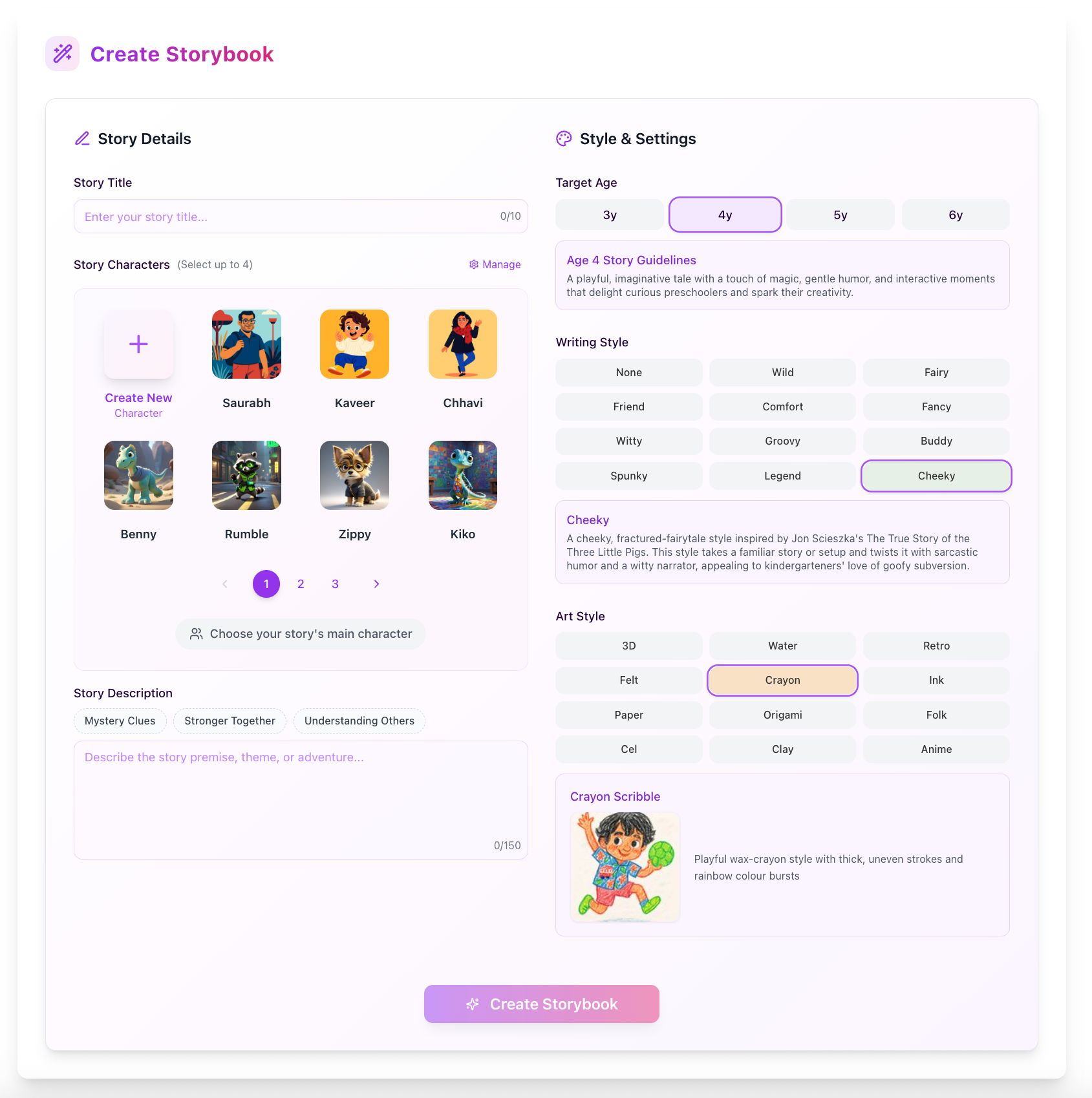
    KidScribe.ai makes creating personalized stories quick and easy. In just minutes, you can craft an engaging narrative that stars your child. No need for extensive writing or design skills! Simply input your child’s details, choose a situation, and let the AI do the rest.

    This tool saves time and ensures high-quality stories. With KidScribe.ai, every story becomes a magical adventure tailored to your child’s needs. It’s perfect for busy parents seeking effective educational tools.

    Upgrade Options for Keepsake Books

    Want to make your story extra special? Consider upgrading to a printed keepsake book. A physical copy turns the digital story into a cherished memory. Your child can revisit their adventure anytime, reinforcing lessons and building lasting memories.

    These books are perfect for gifts or bedtime routines. Plus, they provide a tangible reminder of your child’s growth and achievements.

    Frequently Asked Questions

    What is a social story?

    A social story is a short narrative designed to teach children about specific situations, behaviors, or concepts. It uses simple language and visuals to help them understand and navigate new experiences.

    How can I create a personalized social story for my child?

    You can use platforms like KidScribe.ai to quickly create personalized social stories. Enter your child’s details, select a scenario, and let the AI generate a story tailored to their needs.

    Why are visuals important in social stories?

    Visuals help young children grasp and remember the story’s content. They provide context, stimulate imagination, and reinforce the narrative, making the story more engaging and effective.

  • From Butterflies to Brave: How Personalized Social Stories Prepare Kids for New Experiences

    New experiences can spark big feelings for little ones—those butterflies often turn into worries. When your child faces a first day of school, a doctor visit, or even a new sibling, personalized social stories for kids help turn uncertainty into confidence. With KidScribe.ai, you create these calming, illustrated stories in minutes, making transitions smoother and big moments a little easier. Ready to see how a simple story can build brave? Learn more about the advantages of writing and presenting social stories.

    Preparing for Big Moments

    New experiences can ignite big feelings in kids, transforming excitement into apprehension. Personalized social stories can ease this journey, turning butterflies into bravery. Let’s explore how they work.

    Personalized Social Stories Magic

    Imagine a story where your child is the hero. These stories use your child’s name and interests to make unfamiliar situations feel familiar. Whether it’s a first day at school or a doctor visit, these tales make abstract concepts concrete. Children see themselves navigating challenges, which helps them understand and prepare for real-life events. This personalization enhances engagement and learning, making big moments feel manageable.

    Reducing Anxiety with Stories

    Stories have the power to calm nerves. When children encounter scenarios in a story, they rehearse emotions and responses before facing them in reality. This practice reduces anxiety. For instance, a story about visiting the doctor can replace fear with familiarity. Reading these stories a few days before an event can make the unknown feel known, minimizing stress for both child and parent.

    Building Confidence in Kids

    Confidence grows when children see themselves succeed. By reading about triumphs in stories, kids build self-esteem. This confidence carries over into real life, making new experiences less intimidating. Seeing their own name and favorite elements in a story creates a connection, transforming “I can’t” into “I can.” With each story, kids become more ready to embrace new adventures.

    Creating Your Child’s Hero Story

    Crafting a personalized story isn’t just fun—it’s a powerful tool for growth. Let’s dive into the process of making your child’s unique hero tale.

    Fast, Fun, and Parent-Friendly

    Creating a story with KidScribe.ai is quick and easy. In just a few minutes, you can craft a complete, illustrated story without needing writing skills. This speed and simplicity make it ideal for busy parents. Kids love seeing their names and preferences in the story, turning reading time into an exciting adventure. It’s a practical way to support your child’s development without adding stress to your day.

    Engaging with Familiar Faces

    Consistency is key in storytelling. In personalized stories, characters remain visually consistent, building trust and keeping kids engaged. This stability ensures that children stay immersed in the story, enhancing comprehension and enjoyment. Familiar faces in the story mirror their real-life counterparts, reinforcing the connection between story and reality. With each page, your child sees themselves successfully navigating new situations.

    AI-Powered Storytelling

    AI technology brings stories to life with vivid illustrations and seamless narratives. This innovation allows for deep personalization, weaving your child’s world into every scene. The result is a captivating experience that feels tailored just for them. By focusing on learning outcomes, KidScribe.ai combines technology with storytelling, creating tools that help kids understand emotions, routines, and social skills.

    Transition Strategies for Toddlers

    Big changes can be daunting, especially for toddlers. With the right strategies, you can help them transition smoothly.

    Calm Routines for Families

    Establishing calm routines is essential for easing transitions. Schedule storytime consistently, integrating personalized stories that address upcoming changes. By reading together, you create a comforting ritual that helps your child feel secure. Simple actions, like reading a story before bedtime, can make a difference in how your child approaches new experiences.

    Visual Supports for Children

    Visual aids enhance understanding. In stories, illustrations provide cues that help children grasp concepts. These visuals support verbal explanations, making information more accessible. For example, a story about starting school can include images of a classroom and friendly faces, helping your child visualize what to expect. This visual reinforcement makes transitions less overwhelming.

    Emotional Regulation for Kids

    Helping your child understand and manage emotions is crucial. Stories can introduce emotional vocabulary, teaching kids to identify and express their feelings. By naming emotions like frustration or worry, children learn to navigate big feelings. Practice these skills through storytelling, making them a regular part of your child’s routine. Over time, your child will build emotional resilience, ready to face challenges with confidence.

    Frequently Asked Questions

    How do personalized social stories help with anxiety?
    Personalized social stories reduce anxiety by familiarizing children with new situations. By seeing themselves in the story, kids rehearse emotions and responses, turning unknowns into manageable experiences.

    What age group benefits most from social stories?
    Social stories are ideal for children ages 2-7. This age group benefits from the concrete examples and familiar elements, which help them understand and prepare for new experiences.

    How quickly can I create a personalized story with KidScribe.ai?
    With KidScribe.ai, you can create a personalized story in minutes. The platform is designed for busy parents, offering a fast, parent-friendly way to craft engaging stories.

    How do visual supports enhance learning in stories?
    Visual supports in stories provide cues that aid comprehension. They help children grasp concepts more easily by reinforcing verbal explanations, making learning more effective.

    Can personalized stories improve emotional regulation in children?
    Yes, personalized stories can improve emotional regulation. By introducing emotional vocabulary and scenarios, children learn to identify and express feelings, building resilience over time.

  • Stories That Solve Tomorrow’s Struggles: A Parent’s Guide to Routines, Feelings, and Transitions

    Bedtime battles and morning meltdowns steal precious moments every day. Your child’s big feelings and tricky transitions don’t have to rule the routine. Personalized social stories create calm, clear paths through emotions and changes—making tough moments easier for both of you. Ready to see how simple storytelling can shape smoother days? Check it out here.

    Creating Calm Routines with Stories

    Imagine starting your day with ease and ending it with calm—stories can make this vision a reality.

    Morning Routine for Kids

    Tired of morning chaos? Stories can help! Create a tale where your child is the hero who tackles getting dressed, brushing teeth, and breakfast with super skills. This story method transforms mundane tasks into a mission they are eager to complete. When kids see themselves succeed in stories, they are more likely to replicate these behaviors in real life. Remember, the key is repetition. Re-read the story a few times so your child can anticipate what comes next, making mornings feel familiar and manageable.

    Bedtime Routine Story Ideas

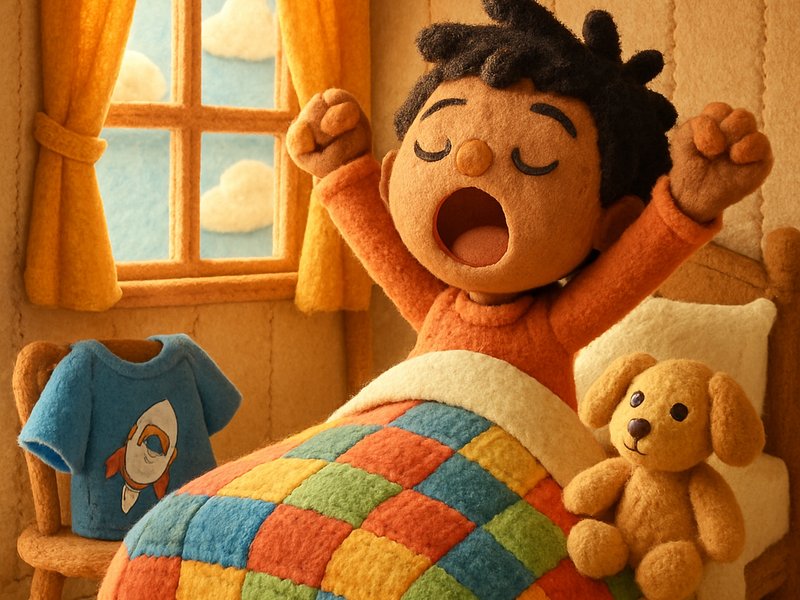
    Bedtime is often a battleground, but it doesn’t have to be. Craft a bedtime story where turning off the lights means entering a world of adventure. Encourage your child to imagine their stuffed animal as a sidekick and the bed as a magical portal. By wrapping bedtime in a warm narrative, your child will look forward to this cozy transition. Keep it simple and consistent. The more they hear the story, the quicker they associate bedtime with a positive experience.

    Visual Schedules and Stories for Toddlers

    Visuals paired with stories are a powerful combo for toddlers. Create a visual schedule that narrates their day, using characters and settings they know. These stories can talk about what happens when it’s time to clean up toys or take a bath. Visual aids make abstract concepts tangible, so toddlers know what to expect next. Personalized stories with familiar images boost understanding and cooperation, turning routines into fun, predictable parts of their day.

    Supporting Emotional Regulation

    Helping your child manage big feelings is easier with the right tools.

    How to Explain Feelings to Kids

    Feelings can be puzzling for kids. Use stories to make emotions relatable. Introduce a character who feels the same way your child does, whether it’s anger when toys are taken or sadness when a friend leaves. Describe how the character identifies the emotion and finds a way to feel better. When children see these emotions mirrored in a story, it validates their experiences and guides them toward understanding their own feelings.

    Toddler Feelings Book Alternatives

    Traditional books may not always capture your toddler’s attention. Consider crafting a personalized feelings book that includes your child’s name and scenarios similar to their daily life. This makes the content relatable and engaging. By weaving emotions into stories they can see themselves in, toddlers learn to name their feelings and express them healthily. Personalized stories can become a tool they turn to for emotional clarity.

    Sharing and Turn-Taking through Stories

    Sharing is more fun when it’s part of a story. Write a narrative where your child and their favorite toy learn to take turns and share with friends. Highlight the joy that comes from playing together rather than alone. This approach not only teaches sharing but also fosters empathy by putting your child in another’s shoes. When they hear about the benefits of cooperation in a story, it becomes a lesson they’re eager to practice.

    Preparing for Transitions

    Transitions can be tough, but stories make them smoother.

    Transition to Preschool Tips

    Preschool is a big step, and stories can ease the journey. Narrate a tale of a little hero who faces the first day of preschool with courage. Include familiar elements like their backpack or favorite snack to make the experience less intimidating. When children see themselves thrive in a story, they gain the confidence to face the unknown. Reading the story multiple times before the big day can reduce anxiety and build excitement.

    Separation Anxiety Story

    Separation anxiety can be overwhelming, but stories provide comfort. Create a narrative where a character bravely waves goodbye and knows they will be reunited soon. Include reassuring elements like a favorite toy that keeps the character company. Stories offer a safe space to explore these feelings and develop coping strategies. Children learn that separations are temporary, and the story becomes a source of reassurance.

    First Day of School Story Adventure ✨

    The first day of school is a milestone. Turn it into an adventure with a story that highlights the wonders of learning and making new friends. Describe a character who discovers new things each day and looks forward to sharing stories with family at night. By seeing school as an exciting quest rather than a daunting task, children approach it with enthusiasm. This positive framing encourages them to embrace new experiences with open arms.

    Frequently Asked Questions

    How do social stories help children with routines?

    Social stories provide a narrative framework that children can relate to. By seeing themselves in the story, children understand what to expect in a routine, making transitions smoother and reducing anxiety.

    Why are personalized stories effective for emotional regulation?

    Personalized stories mirror the child’s experiences, making emotions more relatable. They help children identify and express feelings, teaching them how to manage emotions constructively.

    What makes a good transition story for preschool?

    A good transition story includes familiar elements and positive outcomes. It should emphasize bravery and excitement for new experiences, helping children approach transitions with confidence.

    How can visual schedules support toddler routines?

    Visual schedules break down tasks into manageable steps with pictures. Paired with stories, they help toddlers understand and anticipate what comes next, fostering cooperation and independence.

    Can stories really reduce separation anxiety?

    Yes, stories offer comfort by showing characters who face similar challenges and find solutions. They offer reassurance that separations are temporary, helping children feel secure and understood.

  • From Nerves to “I Can Do It!” How Personalized Social Stories Get Kids Ready for New Experiences

    New experiences can spark big feelings in little hearts. Watching your child face the first day of school or a doctor visit with worry is tough. Personalized social stories for kids turn those nerves into confidence by showing them exactly what to expect. In this post, you’ll see how creating these stories with KidScribe.ai makes preparing for change simple, fast, and fun. For more on how these stories can aid child development, check out this resource.

    Why Personalized Social Stories Matter

    Personalized social stories transform new experiences from overwhelming into manageable adventures. They show children familiar scenarios in a way that feels relatable and comforting.

    Building Confidence in Kids

    Confidence blooms when kids see themselves succeed in stories. These narratives are tailored to reflect real-life situations, helping children practice social interactions. For instance, a story about making friends at school gives kids a mental rehearsal, making the real-life scenario less daunting. Through KidScribe.ai, your child becomes the hero, navigating challenges with courage.

    Preparing for New Adventures

    Every first-time event can seem like a mountain. Personalized stories serve as a map, guiding kids through what to expect. Whether it’s the first day at a new school or visiting the dentist, seeing these moments in a story helps reduce fear. It turns the unknown into the familiar, easing their way into new experiences.

    Reducing Anxiety for Kids

    Anxiety often stems from uncertainty. By providing a clear picture of upcoming events, social stories reduce this anxiety. Kids can explore situations like doctor visits or meeting new family members before they happen. This preview calms nerves and builds a sense of readiness, turning anxiety into anticipation.

    How to Create Your Own Story

    Creating a personalized story is a breeze with KidScribe.ai. The platform streamlines the process, making storytelling accessible for busy parents.

    Easy Steps with KidScribe.ai

    Start by choosing a scenario your child is facing. KidScribe.ai offers simple prompts to guide your story’s creation. Add personal touches like your child’s name and favorite toys. In just minutes, you’ll have a story ready to help your child understand and engage with their world.

    From Concept to Storybook

    Once your scenario is set, KidScribe.ai turns it into a vibrant storybook. The platform uses AI to create consistent, high-quality illustrations that resonate with children. This visual continuity helps kids focus on the story, enhancing their learning experience.

    Quick Tips for Personalization

    Personalization is key to making stories impactful. Incorporate familiar elements from your child’s life, such as their favorite places or people. This connection strengthens engagement and understanding, making the lesson more memorable.

    Benefits of KidScribe.ai

    KidScribe.ai provides more than just entertainment. It’s a tool for growth, backed by research and designed for ease.

    Research-Backed Storytelling Magic

    The platform uses evidence-based techniques to craft stories that teach. Each narrative follows best practices for social-emotional learning, ensuring your child gains valuable skills. Studies show that children process visual information 60,000 times faster than text, making these stories an effective educational tool.

    Visual Supports for Kids

    Illustrations play a crucial role in storytelling. KidScribe.ai’s vivid images help children visualize and internalize the lessons. These visual supports are essential for younger audiences, enhancing comprehension and retention.

    Engaging Parent-Child Reading Time

    Reading together strengthens bonds and fosters a love of learning. Personalized stories offer a unique opportunity for shared experiences, creating lasting memories. This quality time is not just enjoyable but also supports your child’s development.

    Frequently Asked Questions

    What age group benefits most from personalized social stories?
    Children ages 2–7 are ideal candidates. At this age, they are learning to navigate emotions and social scenarios, making personalized stories a powerful tool for understanding and growth.

    How can I integrate social stories into our routine?
    Incorporate them into daily reading time and before new experiences. Repetition helps reinforce the lessons, making the stories more effective over time.

    Are there specific situations where social stories are most useful?
    Yes, social stories are particularly helpful for first-time events like starting school, visiting a doctor, or meeting new people. They prepare children by familiarizing them with what to expect.

    By using KidScribe.ai, you’re not just telling stories; you’re giving your child a framework to approach the world with confidence. Start your storytelling journey today and watch your child’s confidence soar!

  • Turn Tough Moments into Teaching Moments: A Parent’s Guide to Stories for Routines, Feelings, and Transitions

    Busy mornings, unexpected meltdowns, and tricky transitions can make parenting feel like a puzzle with missing pieces. What if you could turn those tough moments into calm, confident teaching tools? Using social stories for kids, you can guide your little ones through routines, feelings, and changes with personalized children’s books that speak directly to them. Ready to see how a bedtime routine story or a doctor visit social story can make a real difference? Let’s explore simple, research-backed steps that put you in the storyteller’s seat!

    Storytelling for Daily Routines

    Creating predictable and calm routines can transform your day. Personalized stories make these routines engaging for your child.

    Crafting a Bedtime Routine Story 🌙

    Bedtime can be tricky, but turning it into a story works wonders. Imagine a tale featuring your child as the hero, brushing their teeth and snuggling into bed. Start by including familiar objects like their favorite blanket or toy. Use simple language to describe each step in the bedtime routine. This helps in creating a sense of order and security. Personal stories make bedtime a magical journey, easing your child’s transition to sleep.

    Morning Routine Chart Alternative 🌅

    Mornings set the tone for the day. Instead of a traditional chart, create a morning storybook. Feature your child getting dressed, having breakfast, and heading out the door. Use bright colors and cheerful illustrations to capture morning activities. This alternative offers a playful approach, making your child eager to move through each task. Personalized stories can turn a hectic morning into a delightful adventure.

    Navigating Big Feelings

    Helping kids manage emotions is essential. Personalized stories offer a gentle way to talk about feelings and responses.

    Emotional Regulation for Kids 💖

    Big feelings can overwhelm kids. Stories where they manage emotions can be powerful tools. Craft tales showing your child recognizing and naming their emotions. For instance, when they feel angry, the story might show them taking deep breaths or counting to ten. These narratives provide a roadmap, helping children understand and regulate their emotions. By seeing themselves as capable of handling their feelings, they gain confidence.

    Calm Down Strategies for Kids 🌈

    Calm-down stories can be lifelines during meltdowns. Create tales where your child practices calming techniques like hugging a stuffed animal or using a sensory toy. Illustrate these strategies with colorful pictures that engage their imagination. Stories become a reference, helping kids remember what to do when emotions run high. This proactive approach fosters emotional resilience in everyday scenarios.

    Preparing for Transitions

    Transitions can be challenging for kids. Personalized stories ease the stress and make new experiences more approachable.

    First Day of School Anxiety Tips 🎒

    Starting school is a big step. A story about your child’s first day can alleviate anxiety. Include familiar elements like their school bag or classroom. Describe the day’s events, from meeting the teacher to making friends. This preparation through storytelling builds familiarity and reduces fear. Children enter their first day feeling more at ease and ready to explore.

    Doctor Visit Social Story Ideas 🩺

    Doctor visits can be daunting. Crafting a story that walks your child through the experience can demystify it. Illustrate the waiting room, the kind doctor, and the stethoscope. Explain each step in kid-friendly terms, emphasizing the positive aspects. By visualizing the visit in advance, your child will approach the appointment with curiosity instead of fear. Personalized stories transform apprehension into understanding.

    Frequently Asked Questions

    How can I create personalized stories for my child?

    Creating personalized stories is simple with tools like KidScribe.ai. You can input your child’s name, likeness, and familiar scenarios, and the platform generates a unique story tailored to your needs.

    Why are personalized stories effective for managing emotions?

    Personalized stories resonate with children by placing them at the center of the narrative. This connection helps them visualize handling emotions in real situations, providing a framework they can apply in real life.

    What age group benefits most from personalized social stories?

    Children aged 2-7 benefit significantly from personalized social stories. These narratives support emotional development, routine adherence, and transitional ease, fostering confidence and understanding in young minds.

    Can personalized stories replace traditional parenting methods?

    Personalized stories are a supplement to traditional methods, not a replacement. They offer a creative and engaging tool to reinforce lessons and provide additional support in emotional and routine management.

    How often should I use personalized stories with my child?

    Use personalized stories regularly, especially before new experiences or when addressing recurring challenges. Consistent exposure helps reinforce the lessons and strategies depicted in the stories.

  • Brave the Firsts! How Personalized Social Stories Prepare Kids for New Experiences

    New experiences can feel like giant puzzles to little ones. Personalized social stories for kids help break down those puzzles into playful, familiar tales starring your child as the hero. With KidScribe.ai, you can create these stories in minutes to boost your child’s emotional regulation and ease first day jitters. Ready to turn nerves into confidence? Let’s explore how storytelling prepares kids for new adventures! You can read more about the benefits of social stories here.

    The Magic of Personalized Social Stories

    Discovering how stories can transform big challenges into manageable adventures is key. Social stories make new experiences less daunting by placing your child at the center. They become the hero, navigating life’s hurdles with confidence.

    Rehearsing New Experiences with Stories

    Imagine your child preparing for their first day at preschool. Anxiety and uncertainty can be overwhelming. Personalized social stories let them rehearse these experiences in a safe, playful way. They see themselves making friends or exploring new surroundings, turning abstract fears into concrete triumphs. This practice builds familiarity and reduces anxiety about unfamiliar situations.

    Stories serve as a rehearsal space, offering a sneak peek into upcoming events. Kids visualize themselves succeeding, which eases their transition when the real moment arrives. Whether it’s a trip to the doctor’s office or a visit to grandma’s house, these stories provide a comforting roadmap for the journey ahead.

    Boosting Emotional Regulation for Kids

    Big feelings can be tough for little minds to handle. Social stories teach children how to recognize and manage emotions effectively. By seeing themselves tackle similar feelings in a story, they learn important skills like empathy and self-regulation.

    These tales equip your child with the language and tools to express their emotions. They learn that it’s okay to feel scared or frustrated and that there are positive ways to cope. This skillset is invaluable in promoting emotional health and resilience.

    SEL Benefits of Social Stories for Kids

    Understanding the social-emotional learning (SEL) benefits is crucial for parents and educators alike. These stories are not just entertaining; they are powerful tools for fostering growth and confidence.

    Building Confidence for Preschool Readiness

    Stepping into a preschool setting can be a big leap for young children. Social stories help them build the confidence needed to handle this transition smoothly. By visualizing themselves in classroom scenarios, they feel better prepared and less anxious about what to expect.

    These stories also support skill-building, such as taking turns and sharing. The more children see themselves engaging in these activities through stories, the more they internalize the behaviors as part of their routine. This preparation is key to a successful start in a new environment.

    Reducing First Day of School Anxiety

    The first day of school is a milestone filled with excitement and apprehension. Social stories can alleviate anxiety by familiarizing children with the school day structure. They learn about routines, meeting teachers, and making new friends, all before the big day arrives.

    By practicing these scenarios, children feel more at ease walking into their new classroom. The stories act as a dress rehearsal, providing a sense of control and understanding. This reduces the fear of the unknown and fosters a positive attitude towards school.

    Creating Your First Story with KidScribe.ai

    Ready to craft your own personalized story? With KidScribe.ai, creating a meaningful narrative is quick and straightforward, making it accessible for busy parents and educators.

    Quick and Easy AI Story Creator

    KidScribe.ai simplifies the storytelling process. In just a few steps, you can create a story tailored to your child’s needs. Select themes like a doctor visit or bedtime routine, and watch as the platform brings your narrative to life with engaging illustrations and relatable scenarios.

    This user-friendly tool is designed for parents on the go, ensuring you spend more time reading and less time creating. The intuitive interface makes story creation a breeze, even for those new to digital storytelling.

    From Doctor Visit to Bedtime Routine Story 📚✨

    Personalized stories cover a range of scenarios, from doctor’s visits to bedtime routines. Each narrative is crafted to address specific challenges and support emotional growth. By including familiar elements like your child’s name and favorite toys, these stories resonate on a personal level, enhancing their effectiveness.

    The versatility of KidScribe.ai means you can create a library of stories tailored to your child’s unique journey. Whether easing separation anxiety or navigating new experiences, these stories are there to guide and support your child every step of the way.

    By incorporating personalized social stories into your routine, you equip your child with the confidence and skills needed to face new experiences head-on. Ready to create your first story? Dive into the world of KidScribe.ai and watch your little hero flourish!

  • What Makes a Social Story Effective for Young Children? 7 Essentials Parents Can Use Tonight

    Forget everything you know about social stories for kids. Most stories miss the mark because they aren’t personalized or don’t use the right language to truly connect with young minds. You’re about to learn the 7 essentials that make social stories effective—and how KidScribe.ai helps you create them quickly, so your child can feel confident and calm before tomorrow’s challenges. You can find more tips on using social stories here.

    Key Ingredients for Effective Social Stories

    Creating powerful social stories involves understanding key elements that resonate with young children. Let’s explore these components to set the stage for crafting narratives that truly engage and educate.

    Personalization and Child Engagement

    Personalization is the heart of effective social stories. When a child sees their name or favorite toy in a story, the experience becomes personal and meaningful. Imagine a tale where your child is the hero, navigating through everyday challenges with ease. This approach is not just engaging—it enhances comprehension by connecting with emotions and experiences unique to your child.

    To engage your child, tailor the story to their interests and specific situations. For instance, if your child loves animals, include them as characters in their story. This personalization makes learning feel like fun rather than a chore, creating a positive association with reading and problem-solving.

    Importance of Visual Consistency

    Visual consistency in storytelling helps children focus and understand better. Consistent images create a sense of familiarity and trust, making the story easier to follow. A character that looks the same throughout the story aids in maintaining your child’s attention.

    By using illustrations that align with the text, you reinforce the story’s message visually. For example, if the story is about going to the doctor, consistent images of the doctor’s office and the same friendly doctor character can alleviate anxiety and build confidence for real-life visits.

    Positive Framing Techniques

    A story framed positively can significantly impact a child’s mindset. Positive language and scenarios encourage children to see challenges as opportunities. For example, instead of highlighting what a child shouldn’t do, focus on what they can do, like sharing toys to make friends.

    Positive framing helps children develop a growth mindset, where they feel empowered to try new things and learn from mistakes. It transforms the story from just a narrative into a tool for building resilience and optimism in your child’s daily life.

    How to Write a Social Story

    Writing effective social stories involves specific strategies that enhance understanding and retention. Here, we delve into techniques that can transform your storytelling.

    Research-Backed Sentence Types

    Using research-backed sentence structures in social stories can greatly enhance their effectiveness. These include descriptive, perspective, directive, and affirmative sentences. Descriptive sentences provide context, while perspective sentences help children understand others’ feelings. Directive sentences guide behavior, and affirmative sentences offer positive reinforcement.

    For instance, “Tommy feels happy when he shares his toys” not only describes an action but also presents a positive outcome, encouraging similar behavior. Using such structured sentences helps in conveying clear and impactful messages that stick with the child.

    Repetition for Retention

    Repetition is a powerful tool in helping children retain information. By repeating key phrases or ideas, children can better grasp and remember the story’s message. Imagine reading a phrase like “sharing is caring” several times throughout the story. This repetition reinforces the lesson, making it easier for children to apply it in real-life situations.

    Incorporating repetition also builds confidence as children anticipate and recall the story’s key points, helping them feel more involved and invested in the learning process.

    Benefits of KidScribe.ai

    Creating Stories in Minutes

    KidScribe.ai makes it incredibly easy to create personalized stories in just minutes. This platform is designed for busy parents, allowing you to craft meaningful, illustrated stories without any hassle. You can focus on the content that matters most to your child, customizing every aspect to fit their unique needs and interests.

    Pre-Solving Tough Moments

    Using KidScribe.ai, you can address upcoming challenges by crafting stories that prepare your child for new experiences. Whether it’s starting school, visiting the doctor, or making new friends, KidScribe.ai helps ease anxieties by offering a preview of these situations. This proactive approach builds confidence and helps your child feel prepared and secure.

    Professional Printing Options ✨

    For families who cherish tangible memories, KidScribe.ai offers professional printing options. You can transform your digital creations into beautifully printed books, perfect for bedtime stories or gifts. These keepsakes not only reinforce learning but also create lasting memories that you and your child can treasure for years to come.

    By integrating these elements into your storytelling, you empower your child with the skills and confidence to navigate their world. With KidScribe.ai, creating effective social stories is both simple and rewarding, bringing peace of mind to you and joy to your child’s reading journey.