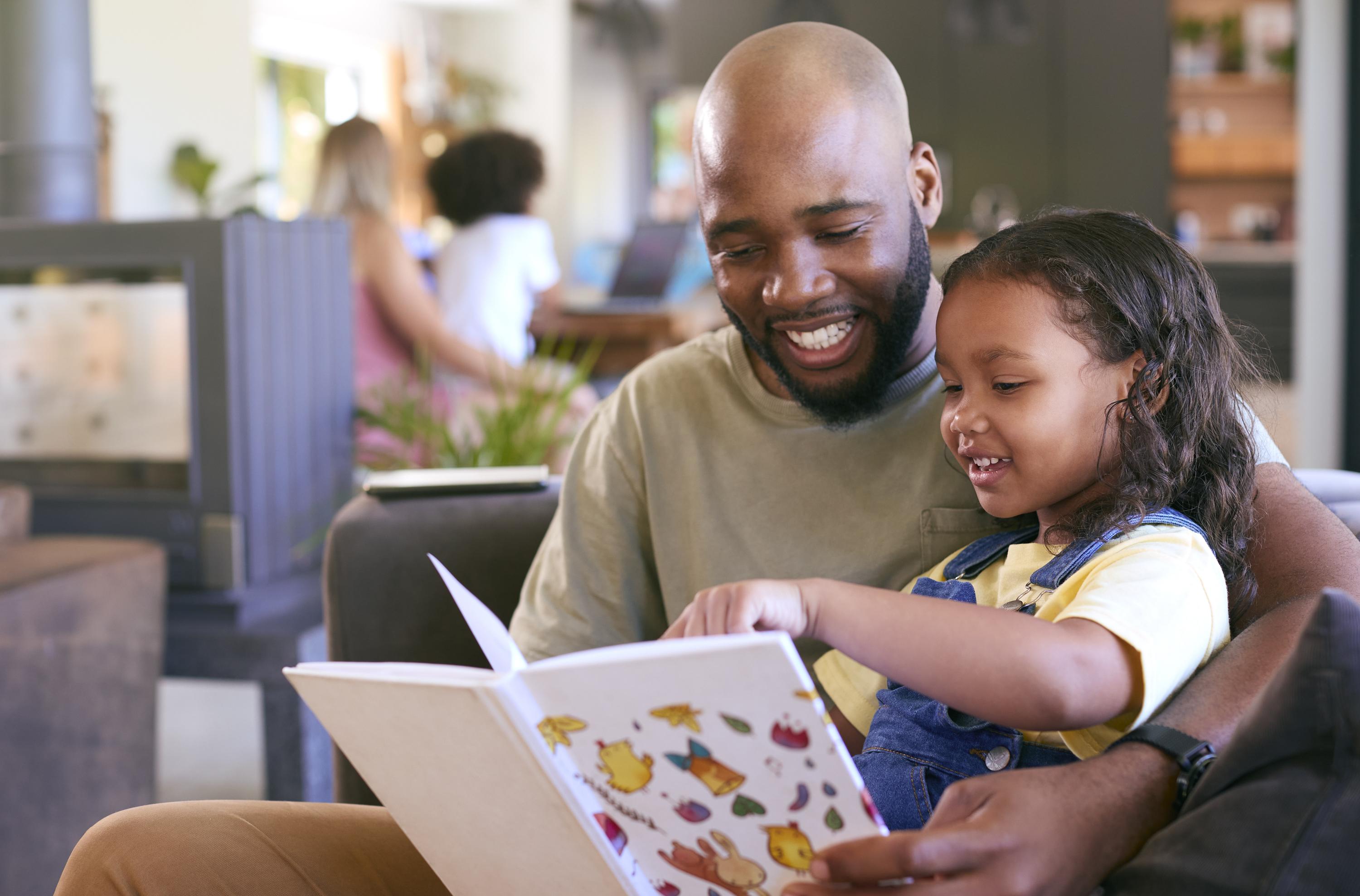
Busy mornings, unexpected meltdowns, and tricky transitions can make parenting feel like a puzzle with missing pieces. What if you could turn those tough moments into calm, confident teaching tools? Using social stories for kids, you can guide your little ones through routines, feelings, and changes with personalized children’s books that speak directly to them. Ready to see how a bedtime routine story or a doctor visit social story can make a real difference? Let’s explore simple, research-backed steps that put you in the storyteller’s seat!
Storytelling for Daily Routines
Creating predictable and calm routines can transform your day. Personalized stories make these routines engaging for your child.
Crafting a Bedtime Routine Story 🌙
Bedtime can be tricky, but turning it into a story works wonders. Imagine a tale featuring your child as the hero, brushing their teeth and snuggling into bed. Start by including familiar objects like their favorite blanket or toy. Use simple language to describe each step in the bedtime routine. This helps in creating a sense of order and security. Personal stories make bedtime a magical journey, easing your child’s transition to sleep.
Morning Routine Chart Alternative 🌅
Mornings set the tone for the day. Instead of a traditional chart, create a morning storybook. Feature your child getting dressed, having breakfast, and heading out the door. Use bright colors and cheerful illustrations to capture morning activities. This alternative offers a playful approach, making your child eager to move through each task. Personalized stories can turn a hectic morning into a delightful adventure.
Navigating Big Feelings

Helping kids manage emotions is essential. Personalized stories offer a gentle way to talk about feelings and responses.
Emotional Regulation for Kids 💖
Big feelings can overwhelm kids. Stories where they manage emotions can be powerful tools. Craft tales showing your child recognizing and naming their emotions. For instance, when they feel angry, the story might show them taking deep breaths or counting to ten. These narratives provide a roadmap, helping children understand and regulate their emotions. By seeing themselves as capable of handling their feelings, they gain confidence.
Calm Down Strategies for Kids 🌈
Calm-down stories can be lifelines during meltdowns. Create tales where your child practices calming techniques like hugging a stuffed animal or using a sensory toy. Illustrate these strategies with colorful pictures that engage their imagination. Stories become a reference, helping kids remember what to do when emotions run high. This proactive approach fosters emotional resilience in everyday scenarios.
Preparing for Transitions

Transitions can be challenging for kids. Personalized stories ease the stress and make new experiences more approachable.
First Day of School Anxiety Tips 🎒
Starting school is a big step. A story about your child’s first day can alleviate anxiety. Include familiar elements like their school bag or classroom. Describe the day’s events, from meeting the teacher to making friends. This preparation through storytelling builds familiarity and reduces fear. Children enter their first day feeling more at ease and ready to explore.
Doctor Visit Social Story Ideas 🩺
Doctor visits can be daunting. Crafting a story that walks your child through the experience can demystify it. Illustrate the waiting room, the kind doctor, and the stethoscope. Explain each step in kid-friendly terms, emphasizing the positive aspects. By visualizing the visit in advance, your child will approach the appointment with curiosity instead of fear. Personalized stories transform apprehension into understanding.
Frequently Asked Questions
How can I create personalized stories for my child?
Creating personalized stories is simple with tools like KidScribe.ai. You can input your child’s name, likeness, and familiar scenarios, and the platform generates a unique story tailored to your needs.
Why are personalized stories effective for managing emotions?
Personalized stories resonate with children by placing them at the center of the narrative. This connection helps them visualize handling emotions in real situations, providing a framework they can apply in real life.
What age group benefits most from personalized social stories?
Children aged 2-7 benefit significantly from personalized social stories. These narratives support emotional development, routine adherence, and transitional ease, fostering confidence and understanding in young minds.
Can personalized stories replace traditional parenting methods?
Personalized stories are a supplement to traditional methods, not a replacement. They offer a creative and engaging tool to reinforce lessons and provide additional support in emotional and routine management.
How often should I use personalized stories with my child?
Use personalized stories regularly, especially before new experiences or when addressing recurring challenges. Consistent exposure helps reinforce the lessons and strategies depicted in the stories.
Leave a Reply